A Short History of Imaginary Numbers
DOI:
https://doi.org/10.14331/ijfps.2019.330121Keywords:
Mathematics, Imaginary numbersAbstract
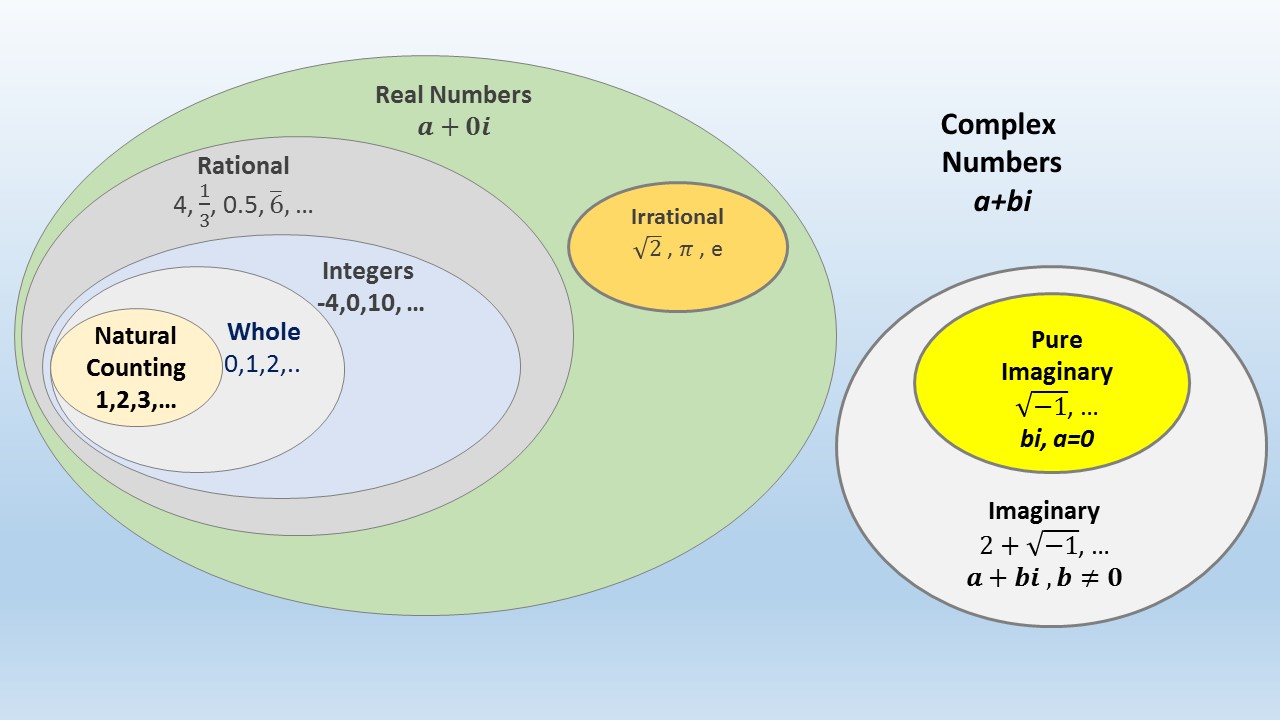
This paper is discussing how and where imaginary numbers came to be and how their extension to our classic number line helped mathematics to grow even faster. We talk about the beginning of imaginary numbers and the set of rules that come with them. We show how an error that occurred in an equation started the discovery of these. These numbers also help us achieve a better perspective towards the parabolas we see every day. At the end, you can see how these new numbers found the perfect place on the number line and fit in well with different categories we all know.
Downloads
References
Arfken, G. B., & Weber, H. J. (1999). Mathematical methods for physicists. In: AAPT.
Dunham, W. (1999). Euler: The master of us all: MAA.
Guilbeau, L. (1930). The history of the solution of the cubic equation. Mathematics News Letter, 8-12.
Merino, O. (2006). A short history of complex numbers. University of Rhode Island.
Roy, S. C. (2007). Complex Numbers: Lattice Simulation and Zeta Function Applications: Elsevier.
Published
Issue
Section
License
Copyright (c) 2019 International Journal of Fundamental Physical Sciences

This work is licensed under a Creative Commons Attribution-NoDerivatives 4.0 International License.


 WorldCat
  Scilit
  ORCID
ORCID  Dimensions
  Mendeley
  Lincoln Library
  Cambridge iDiscover